Source Luxury Microfiber Jewellery Gloves for Polishing Cleaning Display
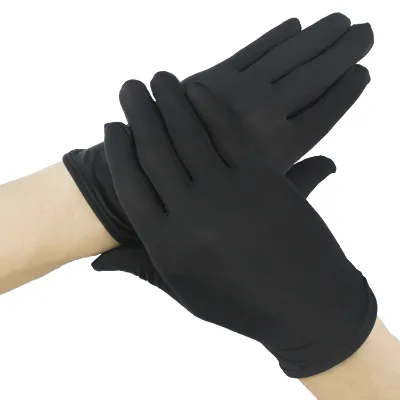
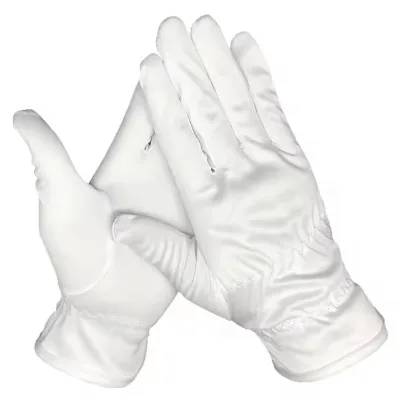
Compare 19 luxury microfiber jewellery gloves from verified suppliers. These durable, dust-free options support jewelry polishing, watch cleaning, and display applications with customizable logos and sizes. Buyers can review material details like polyester or cotton, check sizes from S to XL, and request samples for quality assessment before bulk orders.
Key considerations
Products List






Comprehensive Sourcing Guide
Luxury Microfiber Jewellery Gloves Sourcing Guide
Sourcing high-quality microfiber jewellery gloves requires a clear understanding of material performance and specific use cases. These gloves are primarily designed for polishing, cleaning, and displaying fine jewellery and watches, ensuring that delicate surfaces remain free from dust, oils, and scratches. The core material, often polyester-based microfiber, offers superior absorbency and softness compared to standard cotton or synthetic blends. Buyers must distinguish between disposable and durable options, as the latter provide better long-term value for professional workshops. The observed market includes products labeled for daily life use, cleanroom environments, and general worker protection, indicating a versatile product category that spans from retail display to industrial polishing.
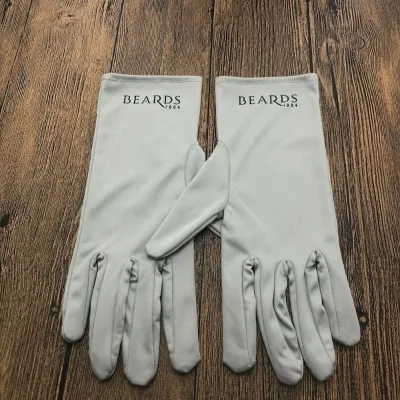
Procurement decisions should also account for customization capabilities, as branding is critical for luxury retail and service providers. Many suppliers offer customized logos and specific color options, such as black, white, blue, or red, to align with brand identity. The gloves are typically packaged in individual OPP bags, which helps maintain hygiene and presentation quality. Buyers should verify if the supplier accepts custom logo printing and what the minimum order quantities are for such personalization. Understanding these commercial terms early in the sourcing process ensures that the final product meets both functional requirements and marketing expectations, particularly when the gloves are used as part of a premium customer experience or branded merchandise.
Product Scope and Observed Listing Signals
The current market landscape for luxury microfiber jewellery gloves reveals a diverse range of product attributes and specifications. Listings indicate a price range of $0.2 to $2.2 USD, with minimum order quantities varying between 500 and 10,000 pairs. This wide variance suggests that buyers can find options suitable for both small boutique orders and large-scale industrial procurement. The materials cited include polyester, microfiber, milk silk, cotton, and suede, each offering different tactile properties and durability levels. Polyester-based microfiber is frequently highlighted for its dust-free and breathable characteristics, making it ideal for handling sensitive jewellery items. Buyers should carefully review the material composition to ensure it matches their specific cleaning or display needs, as some materials may be more suitable for polishing while others are better for general handling.
Observed product models and sizes further illustrate the variety available in the market. Common model numbers include CS-JG01, CJ-006, and CS-ST255, with size options ranging from small to extra-large, including customized sizing. The gloves are described as having features such as anti-slip, touchscreen compatibility, and anti-dust properties, which are essential for modern jewellery handling where digital devices are often used alongside physical inspection. The packaging details, such as single package sizes and gross weights, provide insight into the logistical considerations for bulk shipping. Buyers should note that some products are labeled as non-disposable and durable, while others may be intended for single-use scenarios. This distinction is crucial for calculating total cost of ownership and ensuring that the selected gloves meet the intended usage frequency and durability requirements.
Technical Specifications to Verify
When evaluating technical specifications, buyers must prioritize the material composition and its impact on performance. Microfiber gloves, often made from polyester, are prized for their ability to trap dust and lint without scratching delicate surfaces. It is essential to verify whether the gloves are made from pure microfiber or blended with other materials like cotton or suede, as this affects their absorbency and softness. The presence of features such as touchscreen compatibility indicates that the gloves are designed for modern workflows where digital tools are used alongside manual handling. Buyers should request detailed material breakdowns and test results to confirm that the gloves meet the required standards for dust-free environments. Additionally, the cuff tightness and overall fit should be assessed to ensure comfort and dexterity, which are critical for precision work in jewellery polishing and inspection.
Size standardization and customization options are another key area for verification. Suppliers may offer standard sizes such as S, M, L, and XL, or provide customized sizing to accommodate specific hand dimensions. This is particularly important for ensuring a snug fit that prevents slippage during delicate tasks. Buyers should also inquire about the packaging specifications, including the type of bag used and the quantity per package, to ensure efficient storage and distribution. The single package size and gross weight data provided by suppliers can help in planning logistics and warehousing. Furthermore, the availability of sample units allows buyers to physically assess the quality, texture, and fit before committing to a larger order. This hands-on evaluation is crucial for confirming that the technical specifications align with the practical needs of the jewellery handling process.
Compliance and Safety Documentation
Compliance and safety documentation are vital for ensuring that the jewellery gloves meet industry standards and regulatory requirements. Buyers should verify that the materials used in the gloves are free from harmful substances and are safe for direct skin contact. This is particularly important for gloves that are used in cleanroom environments or for handling sensitive jewellery items. Suppliers should provide documentation confirming that the materials comply with relevant safety standards, such as those for textile safety and chemical restrictions. Additionally, buyers should inquire about any certifications or tests that have been conducted on the gloves, such as durability tests or dust retention tests, to ensure that the products perform as advertised. This documentation not only ensures compliance but also builds trust with end-users who expect high-quality and safe products.
In addition to material safety, buyers should consider the environmental impact of the gloves, especially if they are intended for long-term use. Sustainable sourcing and manufacturing practices can be a significant differentiator in the luxury market. Buyers should ask suppliers about their environmental policies, such as the use of recycled materials or eco-friendly production processes. This information can be valuable for brands that prioritize sustainability in their supply chain. Furthermore, buyers should ensure that the gloves are properly labeled with care instructions and usage guidelines to prevent misuse and ensure longevity. Clear labeling also helps in maintaining hygiene and preventing cross-contamination, which is crucial in jewellery handling. By prioritizing compliance and safety, buyers can mitigate risks and ensure that the gloves meet the high standards expected in the luxury jewellery sector.
Cost Drivers and Commercial Terms
Cost drivers for luxury microfiber jewellery gloves include material quality, customization options, and order volume. Higher-quality materials, such as pure microfiber or blended fabrics with specific performance features, typically command higher prices. Customization, including logo printing and specific color choices, adds to the cost due to the additional setup and production steps required. Buyers should also consider the minimum order quantities, which can range from 500 to 10,000 pairs, as this impacts the unit price and overall investment. Smaller orders may result in higher per-unit costs, while larger volumes can offer economies of scale. Understanding these cost drivers helps buyers make informed decisions about their procurement strategy and budget allocation.
Commercial terms, such as payment methods, shipping options, and lead times, also play a significant role in the total cost of ownership. Buyers should negotiate favorable terms that align with their cash flow and inventory management needs. Sample availability is another important factor, as it allows buyers to assess product quality before committing to a large order. Some suppliers offer free samples, which can reduce the initial risk and cost of evaluation. Additionally, buyers should consider the packaging and logistics costs, as these can vary depending on the supplier's location and shipping methods. By carefully evaluating these commercial terms, buyers can optimize their procurement process and ensure that they receive the best value for their investment in luxury microfiber jewellery gloves.
Supplier Qualification and Quality Control
Supplier qualification is a critical step in ensuring the reliability and consistency of luxury microfiber jewellery gloves. Buyers should assess suppliers based on their production capabilities, quality control processes, and track record in the industry. It is important to verify that the supplier has the necessary equipment and expertise to produce high-quality gloves that meet the specified standards. Buyers should also inquire about the supplier's quality control measures, such as inspection protocols and defect rates, to ensure that the products are free from flaws. Additionally, suppliers should be able to provide references or case studies from previous clients to demonstrate their reliability and performance. This due diligence helps mitigate the risk of receiving substandard products and ensures a smooth procurement process.
Quality control extends beyond the initial production phase and includes ongoing monitoring and feedback mechanisms. Buyers should establish clear communication channels with suppliers to address any issues that arise during production or delivery. Regular quality audits and inspections can help identify and rectify problems early, preventing costly delays and rework. Buyers should also consider implementing a feedback loop with end-users to gather insights on product performance and make necessary adjustments. This continuous improvement approach ensures that the gloves meet the evolving needs of the jewellery industry and maintain high standards of quality. By prioritizing supplier qualification and robust quality control, buyers can build a resilient supply chain that supports their business goals and customer expectations.
Long-Term Procurement Checks
Long-term procurement checks are essential for maintaining the quality and reliability of luxury microfiber jewellery gloves over time. Buyers should regularly review supplier performance metrics, such as delivery times, defect rates, and customer satisfaction scores, to ensure that the supplier continues to meet expectations. It is also important to stay updated on industry trends and technological advancements that may impact product quality or availability. Buyers should engage in periodic reviews of their supplier base to identify potential risks and opportunities for improvement. This proactive approach helps in maintaining a competitive edge and ensures that the gloves remain aligned with market demands and customer preferences.
Additionally, buyers should consider the sustainability and ethical aspects of their procurement practices. As consumer awareness of environmental and social issues grows, it becomes increasingly important to source products from suppliers who adhere to responsible business practices. Buyers should evaluate suppliers' commitments to sustainability, such as their use of eco-friendly materials and fair labor practices. This not only enhances the brand's reputation but also contributes to long-term business success. By implementing regular procurement checks and focusing on sustainability, buyers can build a resilient and ethical supply chain that supports their growth and aligns with their values. This strategic approach ensures that the luxury microfiber jewellery gloves continue to deliver value and quality over the long term.
FAQs
What materials are used for luxury microfiber jewellery gloves?
Luxury microfiber jewellery gloves are crafted from materials like polyester, microfiber, milk silk, cotton, and suede. These options provide durability and comfort while ensuring a dust-free environment for handling delicate items during polishing or display tasks.
Can I request a customized logo on these gloves?
Yes, you can request a customized logo on these gloves as customization is available. Suppliers accept custom logo printing to help brands maintain their identity while distributing protective gear for jewelry cleaning and polishing applications in daily life settings.
What is the minimum order quantity for these gloves?
The minimum order quantity starts at 500 pairs for these gloves. Some listings indicate a range up to 10,000 pairs, allowing buyers to select a volume that fits their specific business needs while maintaining cost efficiency for bulk procurement.
How are these gloves packaged for shipment?
These gloves are typically packaged as one pair per OPP bag. This compact packaging method ensures the items remain clean and organized during transit, with single package sizes varying slightly based on the specific model and material composition selected.
Are samples available for testing before bulk orders?
Samples are offered for testing before placing bulk orders. Buyers can request free samples to verify the softness, breathability, and anti-slip features of the gloves, ensuring they meet quality standards for jewelry display and watch cleaning applications.
Which sizes are available for these jewelry gloves?
Available sizes include S, M, L, and XL, with options for customized sizing. This range accommodates various hand sizes, ensuring a comfortable and secure fit for workers handling delicate jewelry items during polishing or general daily life tasks.
Where are these gloves manufactured?
These gloves are manufactured in Guangdong, China, and other regions within China. The production origin ensures access to established supply chains capable of delivering durable, washable, and comfortable gloves tailored for specific jewelry and watch application requirements.